

Case study
StubLab
Product mentorIntelligent API stubbing for faster delivery
2025 · MentorBridge · APIs · Developer Tools
Screenshots
StubLab in the wild
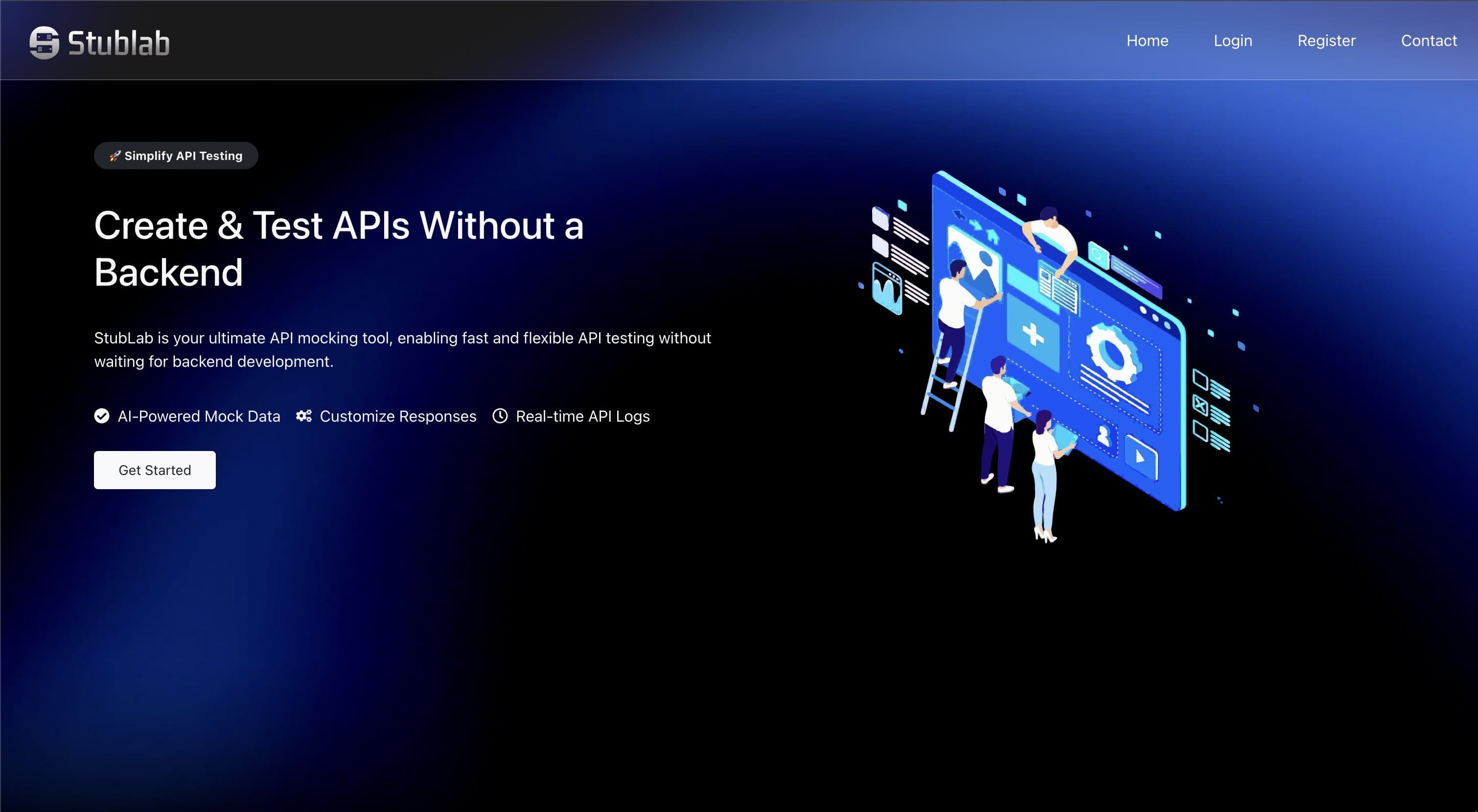
StubLab landing — create and test APIs without a backend
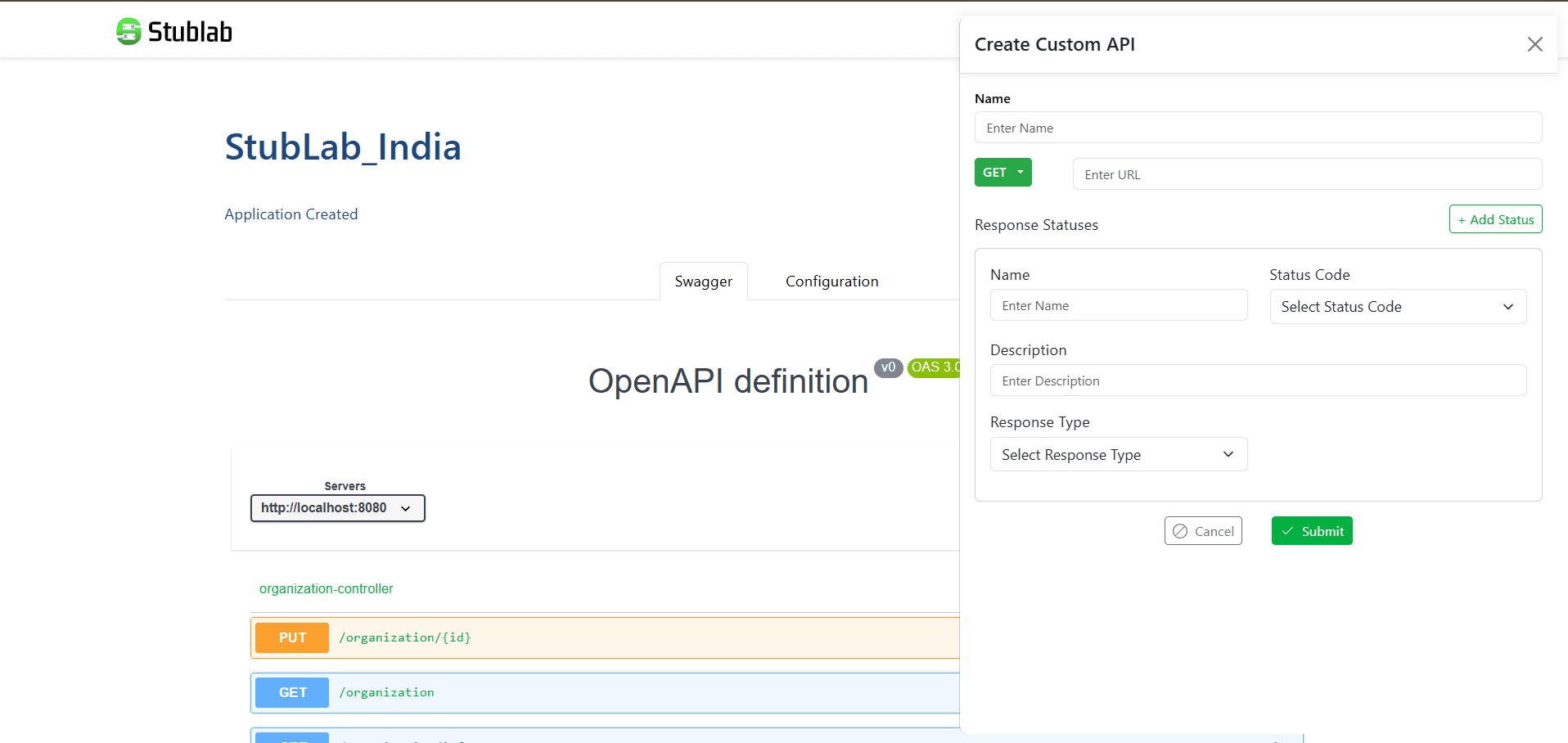
Create and test APIs with StubLab
How I decide
Wait on backends vs stub-first delivery
A delivery decision framework: unblock consumers first when providers are incomplete — without lying about the contract.
Blocked default
- UI and QA idle until databases and services stabilize
- Ad hoc mocks that drift from real response shapes
- Integration surprises postponed to the end of the sprint
Chosen path
- Stub server as a first-class environment for parallel work
- Configurable responses that mirror shipping API contracts
- Cross-functional loop — analysts, FE, BE, UX — against the same stubs
If the contract is clear, don’t let the database gate the next iteration.
Contract honesty
Do stubs encode the real shapes, or invent convenience responses?
Parallelism
Can FE/QA progress while providers are still incomplete?
Handoff cost
Will swapping stubs for live APIs be a config change — or a rewrite?
The problem
Frontend and integration work often blocks on backends that are incomplete, unstable, or still wired to heavy database dependencies. Teams lose days waiting for environments instead of iterating on contracts and UX.
Stubbing exists, but most setups are ad hoc — brittle mocks, undocumented responses, and little shared tooling across a squad.
What we built
StubLab is an intelligent stub server from the MentorBridge innovation lab (with SSMIET IIC): craft, configure, and test APIs without depending on a traditional database so development and QA can move in parallel.
I mentored the product direction and engineering craft — helping the team shape a tool that simulates API behavior quickly and keeps contracts honest between consumers and providers.
Approach
- Stub-first workflows so UI and integration work is not gated on backend readiness.
- Configurable responses that mirror real API shapes teams will ship.
- Cross-functional delivery with analysts, frontend, backend, and UX in one loop.
- Mentorship through reviews so early-career engineers own production-quality code.
Tools chosen
- Node.js — a pragmatic stub runtime close to how APIs are consumed.
- React — a clear surface for configuring and exercising stubs.
- Contract-oriented stubbing — speed without losing fidelity to real endpoints.
Outcomes
Faster API iteration for MentorBridge product teams — and a concrete case study in shipping developer tooling under mentorship, from idea to a live product surface.